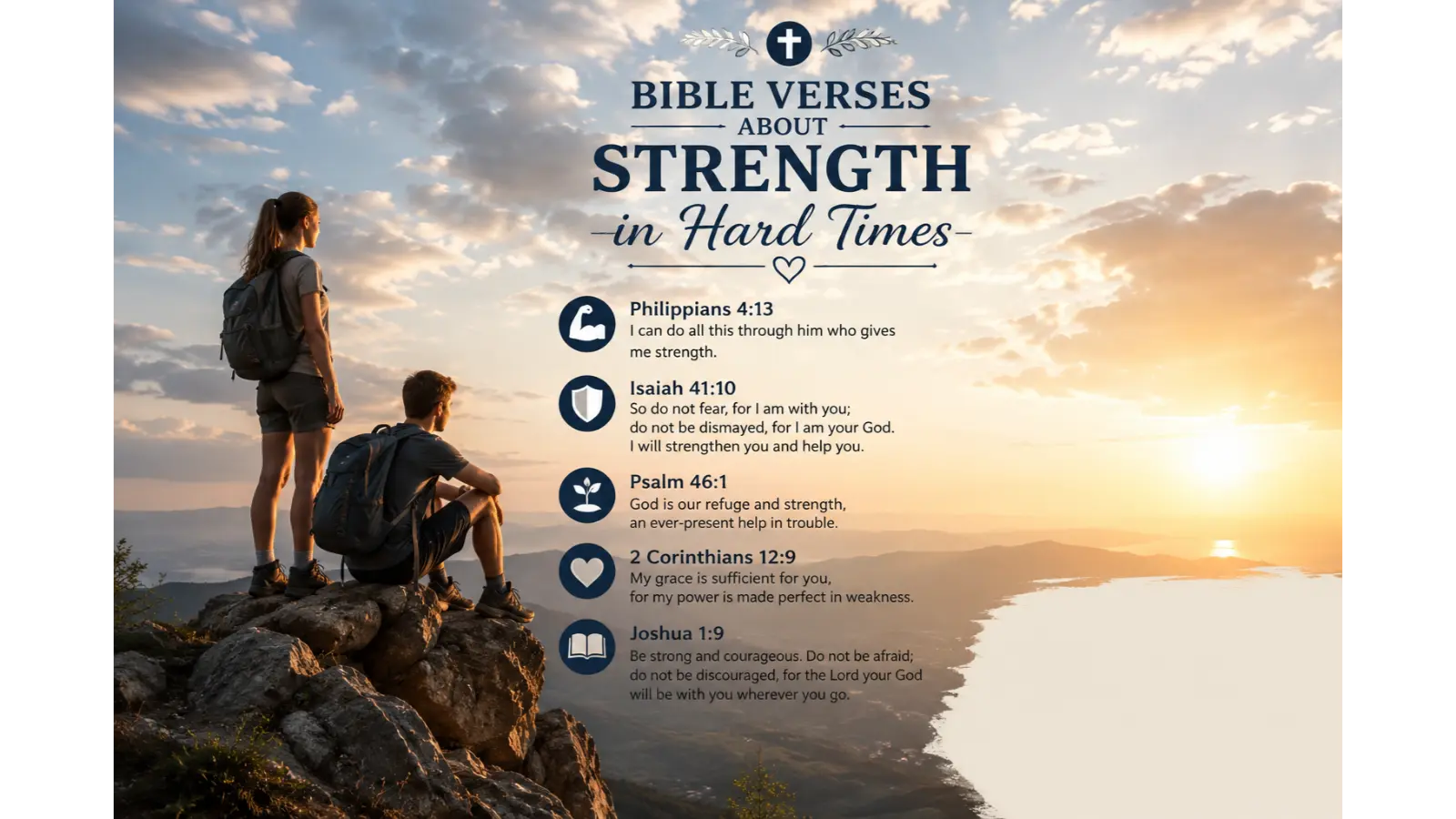
Bible verses about mercy showing god’s love through his word are a powerful reminder of how compassion and forgiveness reflect the very nature of God. These scriptures guide believers to understand mercy not just as an action, but as a divine expression of love, grace, and patience toward humanity.Through them, faith is strengthened and hearts are encouraged to extend the same mercy to others.
The message found in Bible verses about mercy showing god’s love through his word reveals how God consistently shows kindness even when people fall short.
It highlights that mercy is central to God’s relationship with humanity, offering hope, healing, and restoration. Studying Bible verses about mercy showing god’s love through his word helps believers grow spiritually by learning how divine love is expressed through forgiveness, compassion, and unwavering grace.
1. Ephesians 2:4–5
Verse:
“But God, being rich in mercy, because of the great love with which he loved us, even when we were dead in our trespasses, made us alive together with Christ—by grace you have been saved.”
Commentary:
This passage highlights God’s abundant mercy as the foundation of salvation. Even when humanity was spiritually lost, God chose to show compassion instead of judgment.
Practical Application:
We are called to extend forgiveness even when others don’t “deserve” it. Mercy in relationships reflects God’s love in everyday life.
2. Matthew 5:7
Verse:
“Blessed are the merciful, for they shall receive mercy.”
Commentary:
Jesus teaches that mercy is reciprocal—those who show compassion to others will experience God’s mercy in return.
Practical Application:
In conflicts or disagreements, choose understanding over revenge. Mercy builds stronger relationships and peace.
3. Lamentations 3:22–23
Verse:
“The steadfast love of the Lord never ceases; his mercies never come to an end; they are new every morning; great is your faithfulness.”
Commentary:
Even in times of suffering, God’s mercy is constant and renewed daily.
Practical Application:
Each day is a fresh opportunity to start again. No failure is beyond God’s mercy.
4. Titus 3:5
Verse:
“He saved us, not because of works done by us in righteousness, but according to his own mercy…”
Commentary:
Salvation is not earned but given through God’s mercy.
Practical Application:
Avoid pride in spiritual achievements. Instead, remain humble and thankful for God’s grace.
5. Psalm 103:8
Verse:
“The Lord is merciful and gracious, slow to anger and abounding in steadfast love.”
Commentary:
This verse reveals God’s patient and compassionate nature.
Practical Application:
Imitate God’s patience in daily life—especially with family, coworkers, and friends.
6. Micah 6:8
Verse:
“He has told you, O man, what is good… to do justice, and to love kindness, and to walk humbly with your God.”
Commentary:
“Loving kindness” is closely tied to mercy, showing how believers should live.
Practical Application:
Mercy should be active—helping others, speaking kindly, and acting fairly.
7. Luke 6:36
Verse:
“Be merciful, even as your Father is merciful.”
Commentary:
Jesus calls believers to reflect God’s mercy in their own behavior.
Practical Application:
Practice forgiveness in daily conflicts instead of holding grudges.
8. Hebrews 4:16
Verse:
“Let us then with confidence draw near to the throne of grace, that we may receive mercy and find grace to help in time of need.”
Commentary:
God’s mercy is accessible through prayer and faith.
Practical Application:
Turn to God in difficult moments instead of relying only on human solutions.
9. James 2:13
Verse:
“For judgment is without mercy to one who has shown no mercy. Mercy triumphs over judgment.”
Commentary:
Mercy is more powerful than judgment and should guide Christian behavior.
Practical Application:
Avoid harsh criticism and choose compassion when dealing with others’ mistakes.
10. Psalm 145:8–9
Verse:
“The Lord is gracious and merciful, slow to anger and abounding in steadfast love. The Lord is good to all, and his mercy is over all that he has made.”
Commentary:
God’s mercy is universal and extends to all creation.
Practical Application:
Treat people and even creation with kindness, reflecting God’s universal mercy.
Note on Sources
The commentary is based on widely accepted biblical interpretations consistent with evangelical scholarship and themes found in trusted study references such as the ESV Study Bible. Cross-references and contextual meanings align with standard biblical theology.
Conclusion
The Bible consistently teaches that mercy is at the heart of God’s character and a core value for believers. From forgiveness and patience to compassion and humility, mercy shapes how Christians relate to God and to others.
Practicing mercy in daily life leads to stronger relationships, inner peace, and spiritual growth. These verses remind us that as we receive God’s mercy freely, we are also called to extend it generously to the world around us.