Trust God Bible verses remind believers of the importance of faith, patience, and reliance on God in every situation of life. These verses provide comfort during difficulties and strengthen hope when circumstances feel uncertain or overwhelming.
The Bible consistently teaches that trusting God means believing in His plan, even when we do not fully understand it. These scriptures encourage believers to let go of fear and anxiety, and instead place complete confidence in God’s wisdom, timing, and unfailing love.on for modern Christian life.
1. Proverbs 3:5–6
Verse (KJV):
“Trust in the LORD with all thine heart; and lean not unto thine own understanding.
In all thy ways acknowledge him, and he shall direct thy paths.”
Commentary:
This passage teaches complete dependence on God rather than human reasoning alone. It encourages believers to submit every area of life—decisions, relationships, and plans—to God’s guidance. Practically, it means praying before major choices and seeking biblical wisdom rather than relying only on emotions or popular opinion.
Cross-reference: Psalm 37:5
2. Isaiah 41:10
Verse (KJV):
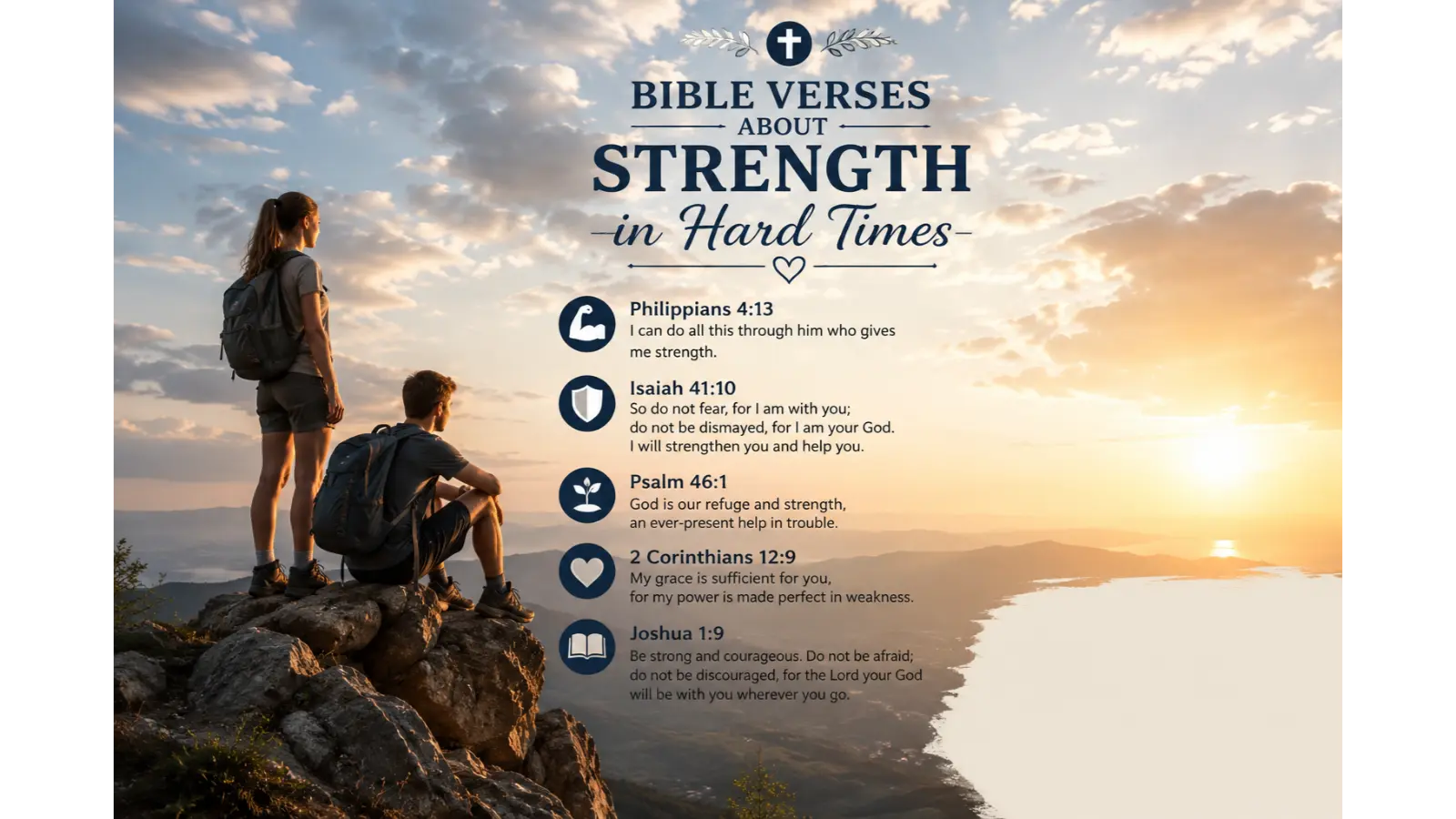
“Fear thou not; for I am with thee: be not dismayed; for I am thy God: I will strengthen thee; yea, I will help thee; yea, I will uphold thee with the right hand of my righteousness.”
Commentary:
God reassures His people of His presence and support. Trusting God removes fear because His strength replaces human weakness. In modern life, this verse applies to anxiety, job insecurity, illness, or personal struggles—reminding believers they are never alone.
Cross-reference: Deuteronomy 31:6
3. Psalm 56:3–4
Verse (KJV):
“What time I am afraid, I will trust in thee.
In God I will praise his word, in God I have put my trust; I will not fear what flesh can do unto me.”
Commentary:
David openly acknowledges fear but chooses trust in God over fear of people. This teaches that trust is a decision made even in emotional weakness. Today, it encourages believers to pray during fear rather than be controlled by it.
Cross-reference: 2 Timothy 1:7
4. Jeremiah 17:7–8
Verse (KJV):
“Blessed is the man that trusteth in the LORD, and whose hope the LORD is.
For he shall be as a tree planted by the waters…”
Commentary:
Trusting God brings stability and spiritual growth, like a tree rooted near water. This symbolizes resilience during hardship. In practical terms, a life grounded in God’s Word remains steady during financial, emotional, or social challenges.
Cross-reference: Psalm 1:3
5. Psalm 37:5
Verse (KJV):
“Commit thy way unto the LORD; trust also in him; and he shall bring it to pass.”
Commentary:
This verse connects trust with surrender. It teaches believers to place their plans in God’s hands and wait for His timing. In daily life, this applies to career goals, marriage plans, and personal dreams.
Cross-reference: Proverbs 16:3
6. Philippians 4:6–7
Verse (KJV):
“Be careful for nothing; but in every thing by prayer and supplication with thanksgiving let your requests be made known unto God.
And the peace of God, which passeth all understanding, shall keep your hearts and minds through Christ Jesus.”
Commentary:
Trusting God replaces anxiety with peace. Paul teaches that prayer is the key to emotional stability. Practically, this encourages believers to bring every worry to God instead of carrying stress alone.
Cross-reference: Matthew 6:25–27
7. Nahum 1:7
Verse (KJV):
“The LORD is good, a strong hold in the day of trouble; and he knoweth them that trust in him.”
Commentary:
God is described as a refuge during difficulty. Trusting Him means finding safety in His character, not circumstances. In real life, this comforts believers facing trials, loss, or uncertainty.
Cross-reference: Psalm 46:1
8. Psalm 9:10
Verse (KJV):
“And they that know thy name will put their trust in thee: for thou, LORD, hast not forsaken them that seek thee.”
Commentary:
Knowing God personally builds trust. The verse highlights God’s faithfulness to those who seek Him sincerely. Practically, it encourages regular prayer and Bible reading to deepen relationship with God.
Cross-reference: Hebrews 11:6
9. Romans 15:13
Verse (KJV):
“Now the God of hope fill you with all joy and peace in believing, that ye may abound in hope, through the power of the Holy Ghost.”
Commentary:
Trust in God produces joy and hope through the Holy Spirit. It shows that faith is not only mental but spiritual transformation. In daily life, it helps believers maintain optimism even in hardship.
Cross-reference: Isaiah 40:31
10. Psalm 28:7
Verse (KJV):
“The LORD is my strength and my shield; my heart trusted in him, and I am helped…”
Commentary:
This verse shows trust resulting in divine help. God protects and strengthens those who rely on Him. Practically, it reassures believers that God actively supports them in struggles and battles of life.
Cross-reference: Exodus 15:2
Note on Sources
Many of the theological insights in these explanations align with widely respected biblical study resources, including general themes found in study Bibles such as the ESV Study Bible, which emphasizes trust, covenant faithfulness, and God’s providence throughout Scripture.
Conclusion
The Bible consistently teaches that trusting God leads to peace, strength, and spiritual stability. These verses show that trust is not passive.it is an active choice to depend on God in every situation. Whether facing fear, uncertainty, or decision-making, believers are encouraged to rely on God’s wisdom and promises. Ultimately, trusting God builds a deeper relationship with Him and brings lasting hope in everyday life.