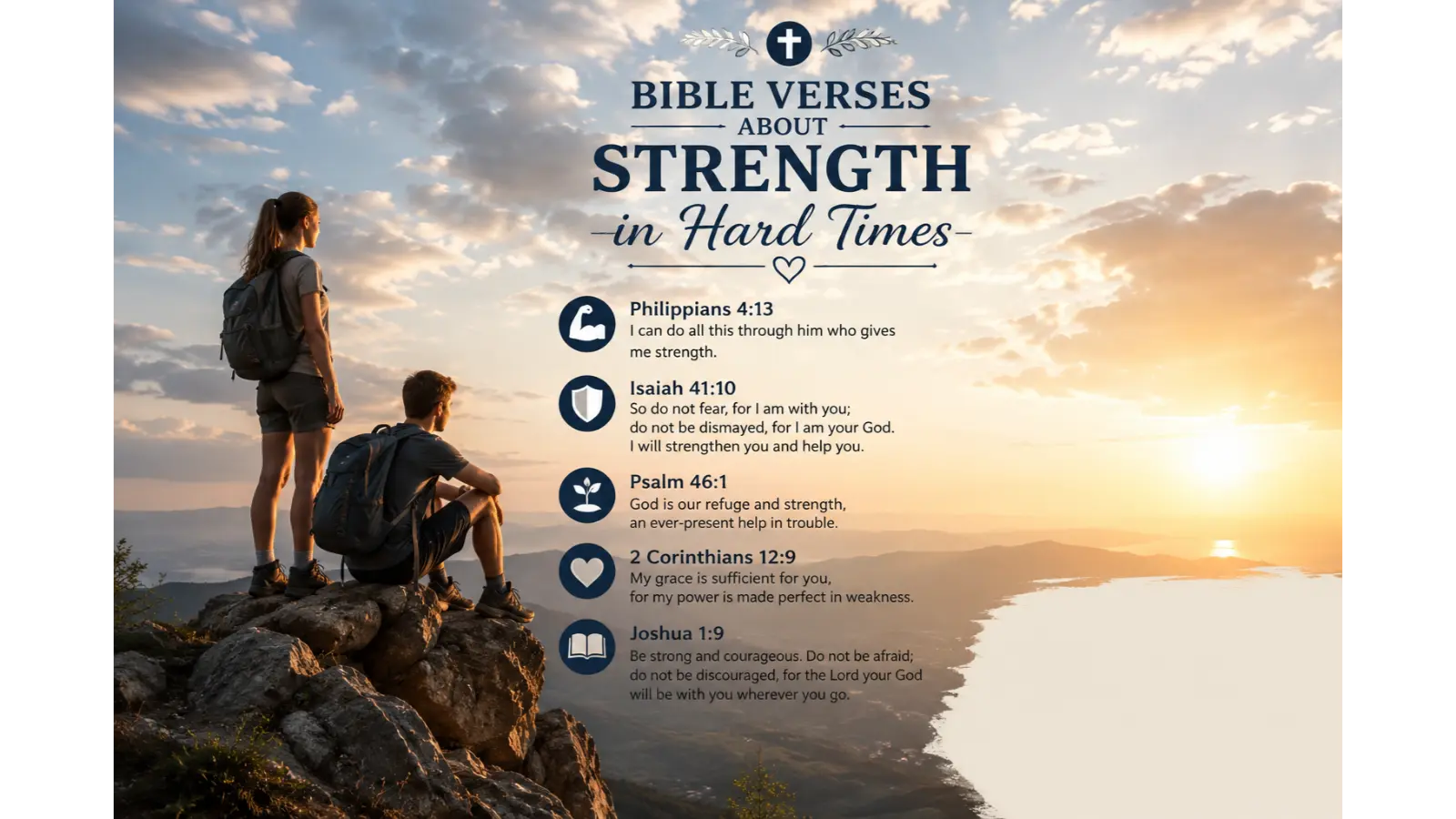
Bible Verses About Hope are a powerful source of encouragement for believers seeking strength during difficult times. Bible Verses About Hope remind us that no matter how challenging life becomes, God’s promises remain constant, offering peace, comfort, and renewed faith.
The message of hope found in Scripture teaches us to trust in God’s timing and believe that brighter days are ahead. Through these verses, we are inspired to stay strong, remain patient, and keep our hearts anchored in faith, knowing that hope in God never fails.
Hope is also strengthened through God’s Word, prayer, and fellowship with other believers. It reminds Christians that suffering is temporary, but God’s love and faithfulness are eternal. Below are ten powerful Bible verses about hope, each with explanation and practical application for daily Christian living.
Romans 15:13
“And the God of hope fill you with all joy and peace in believing, that ye may abound in hope, through the power of the Holy Ghost.” (KJV)
This verse describes God as the source of all hope. True hope does not come from circumstances but from the Holy Spirit working within believers. Paul emphasizes that trusting in God brings joy and peace even in uncertainty.
In modern life, this means choosing faith over fear. When facing anxiety, believers can pray for the Holy Spirit to strengthen their confidence in God’s promises. Hope grows when we focus on God’s power rather than our limitations.
Jeremiah 29:11
“For I know the thoughts that I think toward you, saith the LORD, thoughts of peace, and not of evil, to give you an expected end.” (KJV)
This verse assures believers that God has a good plan for their lives. Even in difficult seasons, God’s intentions are filled with peace and purpose.
Practically, this teaches patience during hardship. When life feels confusing, Christians can trust that God is still working behind the scenes. Hope increases when we believe that our future is secure in God’s hands.
Cross-reference: Proverbs 3:5–6 encourages trusting God completely.
Hebrews 11:1
“Now faith is the substance of things hoped for, the evidence of things not seen.” (KJV)
This verse defines faith and connects it directly to hope. Hope is believing in what is not yet visible but promised by God. Faith gives hope its foundation.
In daily life, this means trusting God even when answers are delayed. Whether waiting for healing, provision, or direction, believers are called to remain confident that God will fulfill His promises.
Psalm 42:11
“Why art thou cast down, O my soul? and why art thou disquieted within me? hope thou in God: for I shall yet praise him, who is the health of my countenance, and my God.” (KJV)
This verse shows a personal struggle with discouragement and the choice to hope in God. The psalmist speaks to his own soul, reminding himself to trust in God’s goodness.
Practically, this teaches self-encouragement through prayer and Scripture. When feeling down, believers can speak God’s promises over their lives and shift their focus from problems to praise.
Cross-reference: Psalm 103:1–5 highlights praising God for His benefits.
Isaiah 40:31
“But they that wait upon the LORD shall renew their strength; they shall mount up with wings as eagles…” (KJV)
This powerful verse shows that hope in God brings renewed strength. Waiting on God is not passive; it is active trust and expectation.
In real life, this means trusting God’s timing. When feeling tired or discouraged, believers can find strength through prayer, worship, and patience. Hope renews energy and restores confidence.
Romans 5:5
“And hope maketh not ashamed; because the love of God is shed abroad in our hearts by the Holy Ghost which is given unto us.” (KJV)
This verse teaches that true hope never disappoints. God’s love fills believers through the Holy Spirit, giving them assurance that their hope is secure.
In everyday life, this means trusting that God will never fail. Even when human expectations fall short, God’s promises remain faithful and reliable.
Note: This explanation is consistent with teachings commonly found in trusted resources such as the ESV Study Bible and other biblical commentaries.
Lamentations 3:22–23
“It is of the LORD’s mercies that we are not consumed, because his compassions fail not. They are new every morning: great is thy faithfulness.” (KJV)
These verses highlight God’s daily mercy and faithfulness. Hope is renewed each day because God’s compassion never ends.
Practically, this encourages gratitude every morning. No matter yesterday’s struggles, today brings a fresh start in God’s mercy. Hope grows when we recognize God’s daily blessings.
Cross-reference: Exodus 34:6 describes God as compassionate and gracious.
Psalm 71:5
“For thou art my hope, O Lord GOD: thou art my trust from my youth.” (KJV)
This verse declares God as the center of hope from an early age. It reflects a lifelong relationship of trust in God.
In modern application, it encourages believers to build faith early and maintain it throughout life. Hope becomes stronger when it is rooted in long-term trust in God’s faithfulness.
Titus 2:13
“Looking for that blessed hope, and the glorious appearing of the great God and our Saviour Jesus Christ.” (KJV)
This verse points to the ultimate Christian hope: the return of Jesus Christ. Believers are encouraged to live with eternity in mind.
Practically, this means staying spiritually focused and not becoming too attached to worldly things. Hope in Christ’s return brings purpose and direction in daily living.
1 Peter 1:3
“Blessed be the God and Father of our Lord Jesus Christ, which according to his abundant mercy hath begotten us again unto a lively hope by the resurrection of Jesus Christ from the dead.” (KJV)
This verse explains that Christian hope is alive because of Jesus’ resurrection. It is not a dead or temporary hope but a living and eternal one.
In daily life, this means believers can face challenges with confidence, knowing that Jesus has already overcome death. Hope is strengthened through the resurrection power of Christ.
Conclusion: Spiritual and Practical Lessons About Hope
The Bible clearly teaches that hope is essential for every believer’s spiritual journey. These verses show that hope comes from trusting God’s promises, relying on His strength, and remembering His faithfulness.
Hope is not dependent on circumstances but on God’s unchanging character. Through trials, delays, and challenges, believers are reminded that God is always in control and His plans are good.
Practically, these scriptures encourage daily trust, prayer, patience, and gratitude. Hope strengthens faith, brings peace in uncertainty, and points believers toward eternal life in Christ. By holding firmly to these promises, Christians can live with confidence, joy, and spiritual strength every day.